Public Transport in Poland: 2026 Ultimate Guide
Public Transport in Poland is modern, affordable, and surprisingly easy to use—even if you don’t speak Polish. Whether you are moving to Warsaw, studying in Kraków, working in Wrocław, or simply visiting Gdańsk, understanding how the system works will save you time, money, and stress.
In this comprehensive 2026 guide, you’ll learn how buses, trams, metro, and trains operate, how to buy and validate tickets, what discounts are available for foreigners, and what infrastructure changes are happening this year. Most importantly, you’ll discover practical tips that locals use every day.
Types of Public Transport in Poland
Poland offers a well-developed network of urban and intercity transport. Although each city manages its own system, the overall structure is similar nationwide. Therefore, once you understand the basics in one city, adapting to another becomes much easier.
Buses and Trams (All Major Cities)
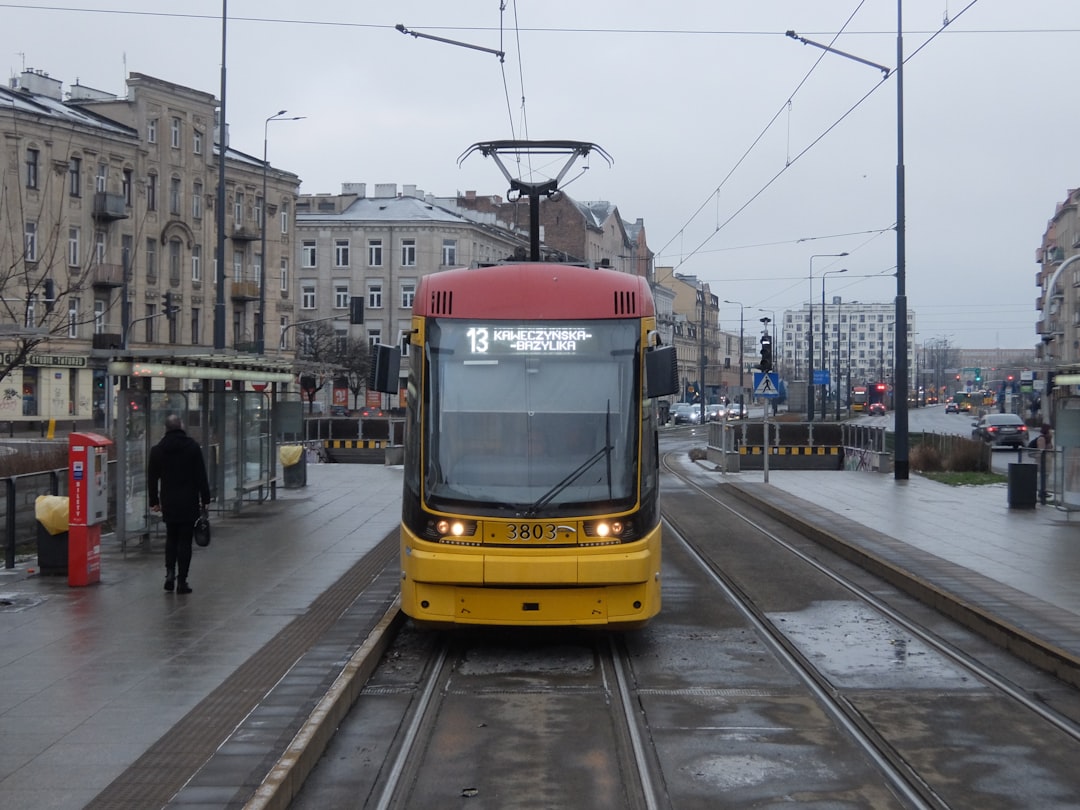
Buses operate in every city and town in Poland. In larger cities such as Warsaw, Kraków, Wrocław, Poznań, and Gdańsk, tram systems complement bus networks. As a result, you can usually reach any district without a car.
- Frequent daytime services (every 5–15 minutes in city centers)
- Night buses running after midnight
- Integrated ticketing in most metropolitan areas
- Electronic displays with real-time updates
In addition, many vehicles are modern, low-floor, and accessible for people with disabilities or parents with strollers.
Metro (Warsaw Only)
Currently, Warsaw is the only Polish city with a metro system. It has two lines (M1 and M2), with further expansion planned in 2026 and beyond. Most importantly, metro tickets are fully integrated with buses and trams.
- Operating hours: approx. 5:00–1:00 (weekends until 3:00)
- Fast connections across the city
- Clear English signage
For official schedules and updates, visit Warsaw Public Transport Authority.
Regional and Intercity Trains
When traveling between cities, trains are usually the most efficient option. The main operators include:
- PKP Intercity (IC, EIC, EIP/Pendolino) – long-distance and high-speed trains
- POLREGIO – regional connections
For example, the Pendolino (EIP) between Warsaw and Kraków takes about 2.5 hours. However, cheaper IC trains take slightly longer but remain comfortable.
You can check schedules and book tickets online via PKP Intercity official website.
Furthermore, railway regulations are governed by national law available at ISAP (Polish Legal Acts Database).
How to Buy Tickets
Understanding ticketing is essential when using Public Transport in Poland. Fortunately, the system is straightforward once you know your options.
Types of Tickets (City Transport)
- Single time-based tickets (20–90 minutes): 4–7 PLN
- 24-hour pass: around 15 PLN
- 7-day pass: approx. 38 PLN
- Monthly pass: approx. 110 PLN (city zone)
For instance, Warsaw’s 2026 single ticket costs 4.40 PLN. Importantly, time-based tickets allow unlimited transfers within the validity period.
Where to Buy Tickets
You can purchase tickets through multiple channels:
- Ticket machines at stops and inside vehicles
- Kiosks and convenience stores
- Mobile apps (Jakdojade, Mobilet, SkyCash, moBILET)
- Online platforms for train travel
Most machines and apps offer English interfaces. Therefore, foreigners rarely face language barriers.
Ticket Validation Rules
This is crucial: paper tickets must be validated immediately after boarding. If you fail to validate, you risk a fine—even if you purchased the ticket.
Ticket inspections are frequent. As a result, always double-check that your ticket shows a timestamp.
Intercity Travel Costs (2026)
Prices vary depending on booking time and train category. However, early booking usually guarantees better deals.
| Route | Bus (Round Trip) | Train (Round Trip) |
|---|---|---|
| Warsaw–Kraków | 40–80 PLN (4–5h) | 72–152 PLN (2.5h) |
| Warsaw–Gdańsk | ~170 PLN | ~170 PLN |
In contrast, buses such as FlixBus are cheaper but slower. Therefore, if time matters, trains are usually the better option.
Discounts and Free Rides (2026)
Public Transport in Poland offers generous discounts for specific groups.
- 50% discount for students (with valid student ID)
- Discounts for seniors and children
- Free travel for selected groups (depending on city rules)
Importantly, foreign students with a recognized student ID card qualify for the same discounts as Polish students.
For EU passenger rights information, visit EU Passenger Rights Portal.
Best Apps for Navigating Public Transport in Poland
Technology makes navigating Polish cities extremely simple. In fact, most residents rely entirely on mobile apps.
- Jakdojade – real-time routes, ticket purchases
- Google Maps – integrated schedules
- SkyCash / moBILET – ticket purchases
Furthermore, these apps provide delay updates and platform changes. As a result, you can plan efficiently even during peak hours.
Infrastructure Changes in 2026
Several improvements are shaping Public Transport in Poland this year.
- Expansion of Warsaw metro lines
- Modernization of railway stations
- Introduction of electric buses in major cities
- Kraków Clean Transport Zone (parking fees for non-compliant vehicles)
Consequently, cities are encouraging residents to switch from cars to public transport.
Accessibility and Comfort
Modern vehicles increasingly feature:
- Low-floor entry
- Ramps and elevators
- Air conditioning
- USB charging ports (on trains)
In addition, stations are being renovated to improve accessibility for passengers with reduced mobility.
FAQ – Public Transport in Poland
1. Is Public Transport in Poland expensive?
No. Compared to Western Europe, ticket prices are relatively low, especially monthly passes.
2. Can foreigners buy monthly tickets?
Yes. You only need a local address and sometimes a personalized city card.
3. Are tickets valid for transfers?
Yes, time-based tickets allow unlimited transfers within the validity period.
4. What happens if I don’t validate my ticket?
You may receive a fine during inspection, even if you purchased the ticket.
5. Is English widely available in ticket machines?
Yes. Most machines and apps offer English language options.
Summary
In summary, Public Transport in Poland is affordable, reliable, and foreigner-friendly. With integrated ticketing, English-language apps, generous student discounts, and ongoing infrastructure upgrades in 2026, getting around Poland without a car is easier than ever. Whether you commute daily or travel between cities, mastering Public Transport in Poland will make your stay smoother, cheaper, and far more convenient.
For more practical relocation advice, visit Read more about Transport on Poland Radar and explore additional tips in our Guides section.