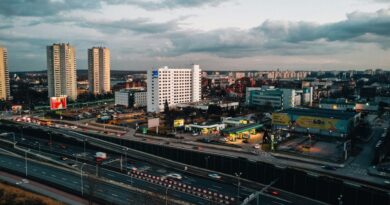

Government plans central housing register
Poland weighs a central housing register to map empty flats and shape tax policy. The housing register could affect owners and expats.
Poland’s Ministry of Development and Technology is exploring a central housing register to track empty flats and real housing shortages. The proposal calls for a national database that would reveal how citizens use their properties and how many apartments stand empty.
How the housing register would work
The idea remains at a conceptual stage. However, the ministry studies data sources and legal options. Moreover, officials say the register would quantify vacant homes. Consequently, the government hopes to measure the real deficit on the housing market. In addition, authorities want to link records to existing registers such as PESEL (the national ID number) and municipal property lists.
Why this matters to owners and renters
The government argues that better data would improve policy. Therefore, planners could design targeted housing programs. Moreover, officials may use the data to pursue new taxes or fines on unused properties. However, any tax change would need parliamentary approval. In addition, local councils already charge property tax and could adapt rates if they know the vacancy patterns. As a result, both landlords and homeowners may feel financial pressure.
Privacy, enforcement and public reaction
Civil liberties groups worry about privacy and data use. Therefore, critics ask who would access the register. Moreover, they demand strict limits and clear legal safeguards. However, the ministry insists that the register aims to improve planning, not to monitor daily life. In addition, the state already stores many identifiers; for example, ZUS (the social insurance institution) and NFZ (the public health insurer) use PESEL numbers in their systems. Consequently, linking property records would follow an existing administrative pattern, but critics still call for transparency.
Local context and territorial implications
Vacancy rates differ across Poland. For example, Warsaw and Tricity show pressure on rental markets. Therefore, major cities may face stricter scrutiny. Conversely, smaller towns sometimes show genuine oversupply. Moreover, the register could reveal regional imbalances that municipal governments can address. In addition, planners could prioritize renovation grants or social housing where shortages prove real.
For now, the project sits at the study phase and lacks legal form. However, the direction suggests stronger state oversight of property use. Consequently, owners and tenants should monitor announcements and consult tax advisors if lawmakers propose new levies. Moreover, expats who rent or own in Poland should follow municipal rules and keep documentation current.
Source: Read original article