Iconic 1990s Wroclaw Spots Remembered
A nostalgic look at iconic 1990s spots in Wroclaw and why they matter for expats today.
Iconic 1990s spots in Wroclaw shaped daily life in the city three decades ago. Many markets, shops and cafés once defined neighborhoods, and they remain vivid in older residents’ memories.
Why these places mattered then and now
Wrocław in the 1990s experienced rapid change. Markets and open-air bazaars grew after communism ended, and people found new goods and tastes. Moreover, inexpensive stalls offered practical items and social life. Consequently, the city felt more local and less homogenized by shopping malls. Developers later built large galleries, and they changed foot traffic and rents. Therefore, some classic stalls closed or moved. However, a few venues survived and now carry historic value.
Iconic 1990s spots in Wroclaw: which ones survived
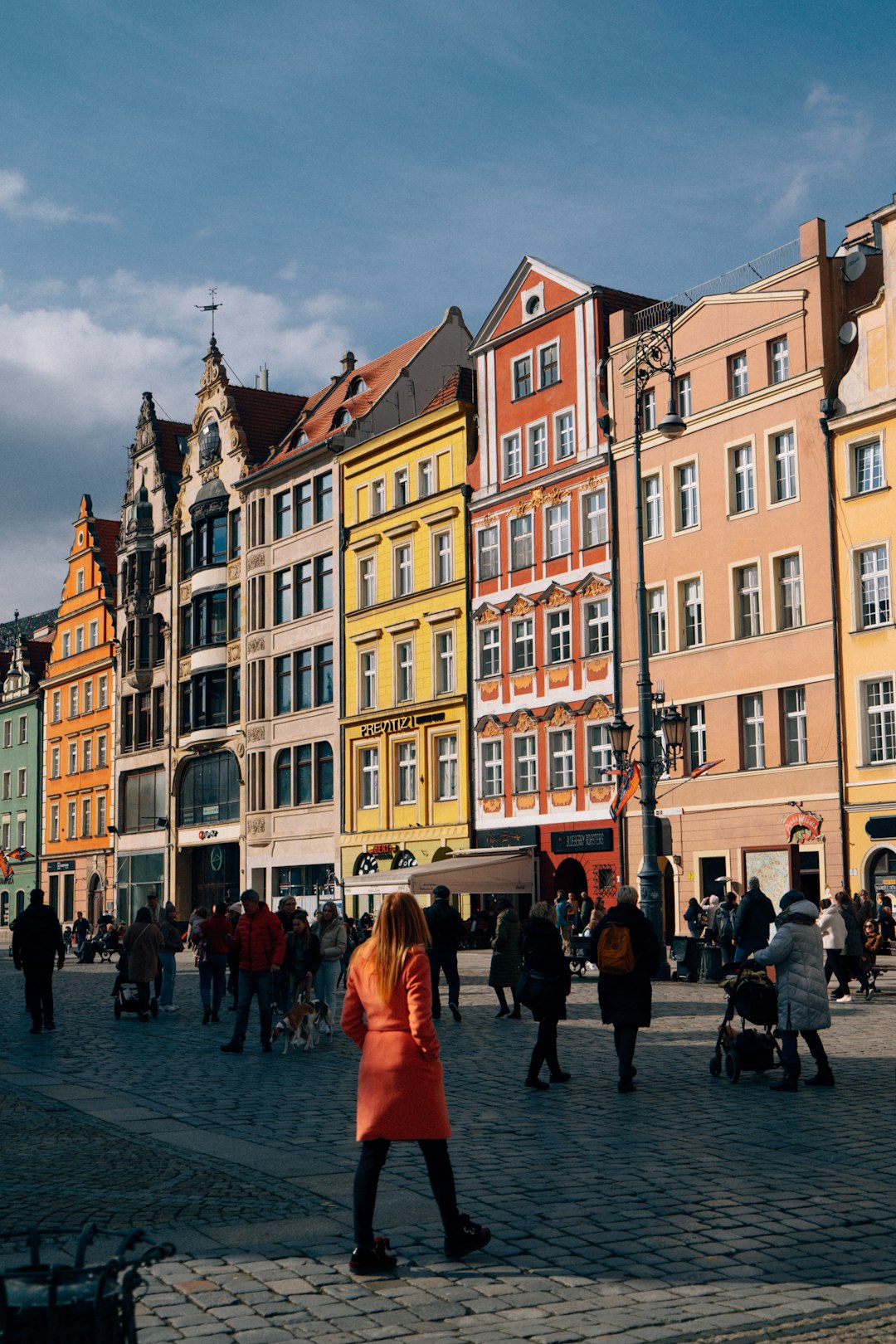
Several markets still operate, but they look different. Antique sellers and second-hand clothes stalls now share space with cafés. In addition, a handful of legendary cafés survived and attract nostalgia seekers. Older Wrocław residents recount meeting friends at these sites. Young people often miss the backstory. Consequently, archival photos help bridge memory and present reality. The article linked below presents images that show the contrasts plainly.
What the change tells us about Poland
The shift from bazaars to malls reflects Poland’s broader economic shift. In the 1990s entrepreneurs navigated a new market economy. Many people registered businesses informally, and later formalized with ZUS contributions (social insurance). Moreover, EU entry in 2004 increased investment and foreign brands. Therefore, the retail landscape professionalized quickly. However, this change also diluted some local character. For residents, shopping evolved from social ritual to efficient consumption.
For expats, these places offer more than souvenirs. They provide a living lesson in Poland’s social and economic transition. Moreover, they show how neighborhoods adapt under pressure from global retail. Therefore, exploring them helps you understand local rhythms.
Local historians and community groups often organize walks. In addition, social media pages share archival photographs and stories. Consequently, you can learn names, locations and dates before you visit. The linked archive in the source includes photos that spark memories for older residents and curiosity for newcomers.
Visit these places with time to talk to vendors. Ask about their stories and how the city changed. Moreover, respect private space and current business realities. Finally, enjoy the contrast between past and present while exploring Wrocław’s evolving streets.
Source: Read original article