
Gemstones on Display: ‘Jewel for Ewa’ Fair in Lublin
A weekend jewellery and gemstone fair ‘Klejnot dla Ewy’ brings emeralds, malachite and rose quartz to Targi Lublin — what expats should know about buying, certification and VAT.
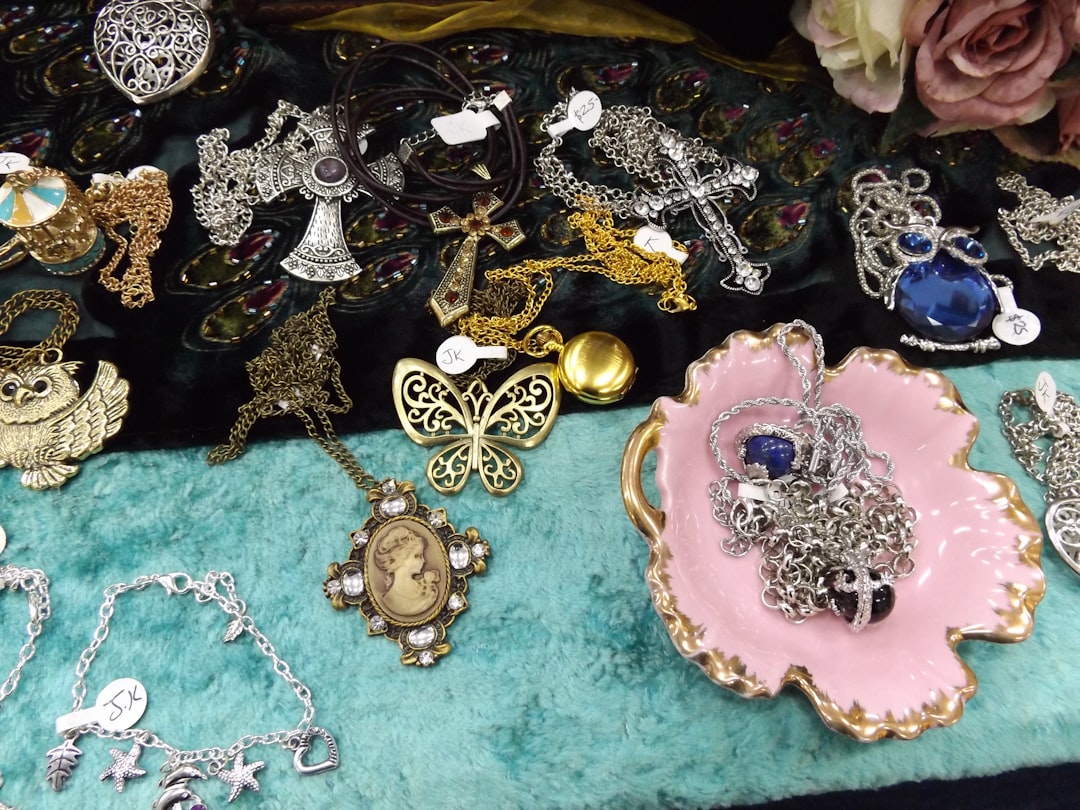
The weekend fair ‘Klejnot dla Ewy’ is showcasing a wide array of gemstones in Lublin, with emeralds, malachites, rose quartz and more on display and for sale. For expats and visitors, this is both a chance to see rare stones up close and an opportunity to learn how jewellery trade, certification and VAT rules work in Poland.
What’s on show at the fair
Held at Targi Lublin, the event gathers dealers, lapidaries and jewellers from across Poland and neighbouring countries. Visitors can expect everything from polished cabochons and faceted emeralds to raw mineral specimens such as malachite and quartz varieties. Exhibitors typically offer finished jewellery, loose stones for collectors and materials for hobbyists. There are often demonstrations — stone cutting, setting and basic gemology — which make the fair educational as well as commercial.
Why this matters for expats
Beyond the visual appeal, the fair is significant because it highlights a small but active part of Poland’s craft and trade economy. For expats, events like this are a practical way to engage with local culture: meeting makers, understanding Polish pricing norms and discovering regional specialties. Jewellery fairs can also be a source of unique gifts and investment pieces. However, buying gemstones abroad requires due diligence: provenance, treatment disclosures (e.g. heat-treated sapphires or filled emeralds), and laboratory certificates affect value and resale potential.
Practical advice for buyers
If you plan to buy, ask sellers for any available certificates (from recognised labs) or at least a written receipt describing the stone. In Poland, cash and card payments are commonly accepted at trade fairs, but smaller vendors may prefer cash. Keep receipts: if you export purchases outside the EU you may be eligible for VAT refund procedures (standard Polish VAT is 23% on goods), though rules vary and refunds require paperwork at the point of exit. If you’re unsure about authenticity, consider asking whether the seller will provide a return policy or third-party testing options.
Source: Read original article