Prussian timber-frame houses: Unique photos from Pomerania
A newly resurfaced set of retro photographs shows 18th-century Prussian timber-frame houses in Miastko, Pomerania — rare survivors into the 1960s that reveal the region’s layered history and the challenges of architectural preservation.
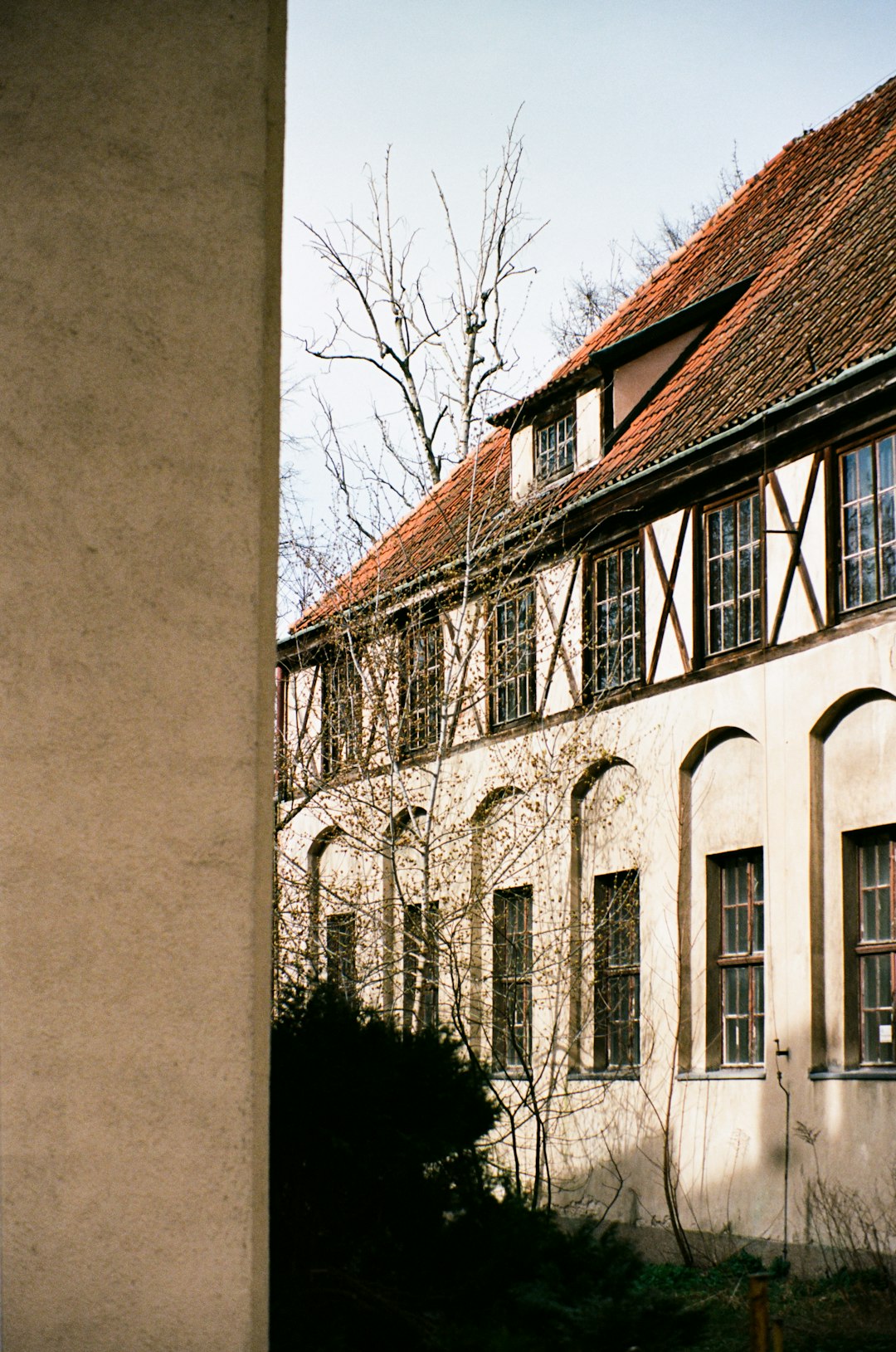
The archive photos document Prussian timber-frame houses that once stood in Miastko, offering a rare visual window into 18th-century domestic architecture in Pomerania. The wooden-framed buildings, which survived in everyday use with apartments and service rooms into the 1960s, are now largely gone — making these images a valuable historical record.
What the photographs show
The pictures assembled by Dziennik Bałtycki depict structures built with the timber-frame technique common in Prussian territories: exposed wooden beams forming patterned façades with infill panels. Some buildings featured characteristic galleries — covered wooden walkways or balconies — and combined living quarters with adjacent utility spaces such as storerooms or small workshops. Photographs from the mid-20th century capture these houses still occupied, rather than preserved as monuments, which highlights how such vernacular architecture functioned as everyday housing until widespread post-war change.
Historical and regional context
Pomerania’s built environment reflects centuries of shifting borders and populations. In the 18th century, parts of the region were administered by Prussia, which popularised timber-frame construction styles across northern Europe. After World War II, with Poland’s borders redrawn and large-scale population transfers and reconstruction underway, many older buildings were demolished, altered, or fell into disrepair. The survival of these houses into the 1960s was therefore exceptional. Today, protection of surviving historic structures falls under regional heritage bodies such as the Voivodeship Conservator of Monuments, but many vernacular buildings never received official listing and were lost during modernization drives.
Why this matters for expats and visitors
For foreign residents and travellers, these images are more than quaint curiosities: they are visual keys to understanding how local towns like Miastko evolved from pre-modern craft economies to the post-war urban landscape you see today. Recognising a timber-frame house (often called “fachwerk” in German-language sources) helps place other local features — older street patterns, market squares, or surviving craftsmen’s workshops — into historical perspective. If you plan to visit, local museums, municipal archives or the town hall can point to surviving examples or records; some structures may be listed or privately owned, so access can be limited.
Source: Read original article