
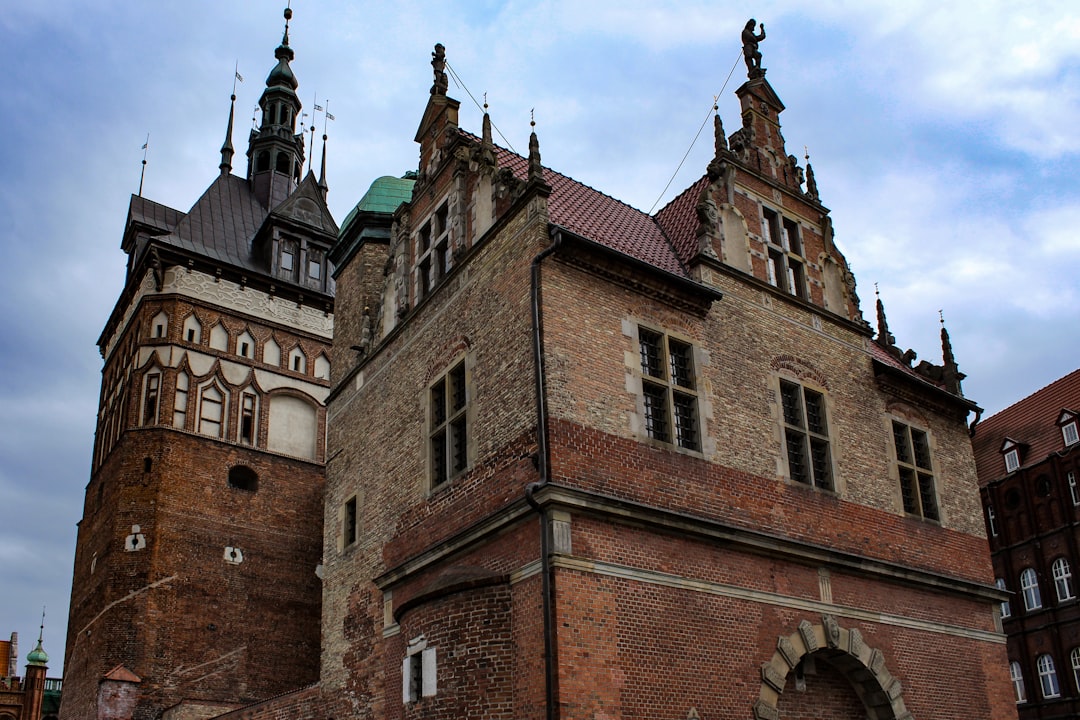
18th-century Gdańsk manor house gutted by fire
An 18th-century manor house in Gdańsk’s Rębowo has been left a ruin after a fire and years of neglect; experts say delayed heritage protection and unclear ownership hinder preservation.
The 18th-century manor house in Rębowo, at the junction of Jabłoniowa and Przywidzka in Gdańsk, is now a ruin after a destructive fire and long-term neglect. The case has drawn attention because the building was not entered into Poland’s official register of monuments while it was still repairable — a delay that limits public protection and funding options.
What happened and when
Local reporting indicates the manor, dating from the 18th century, was severely damaged by a fire and has since fallen into disrepair. For years, when the building was in better condition, no one took steps to add it to the national or regional list of protected historic sites. According to office records, the former provincial conservator, Igor Strzok, opened ex officio proceedings to consider the site for protection in December 2022 — a move reportedly made just over two months after the blaze.
Why the timing matters
Listing a site in the register of monuments (rejestr zabytków) in Poland gives it legal protection: any demolition, modification or major repair must be approved by the heritage authority, and listed sites are eligible for certain public grants and tax support for restoration. Because the manor was not registered before the fire, options for immediate state intervention were limited. That situation is not unique — many smaller historic manors and farmsteads across the Pomerania region and beyond suffer from unclear ownership, lack of maintenance and insufficient incentives for restoration.
Broader context: heritage, ownership and funding
In practice, preservation depends on a mix of private owners’ willingness, local authorities, and the advocacy of heritage bodies. The provincial conservator (wojewódzki konserwator zabytków) can initiate registration and block destructive works, but the process takes time, and enforcement is harder if a building is already unsafe. For expats and investors, this highlights how historic properties in Poland can change quickly: legal protection can be applied retroactively, but will not always reverse physical damage or guarantee funds for full reconstruction.
Source: Read original article